Equal opportunity issues today
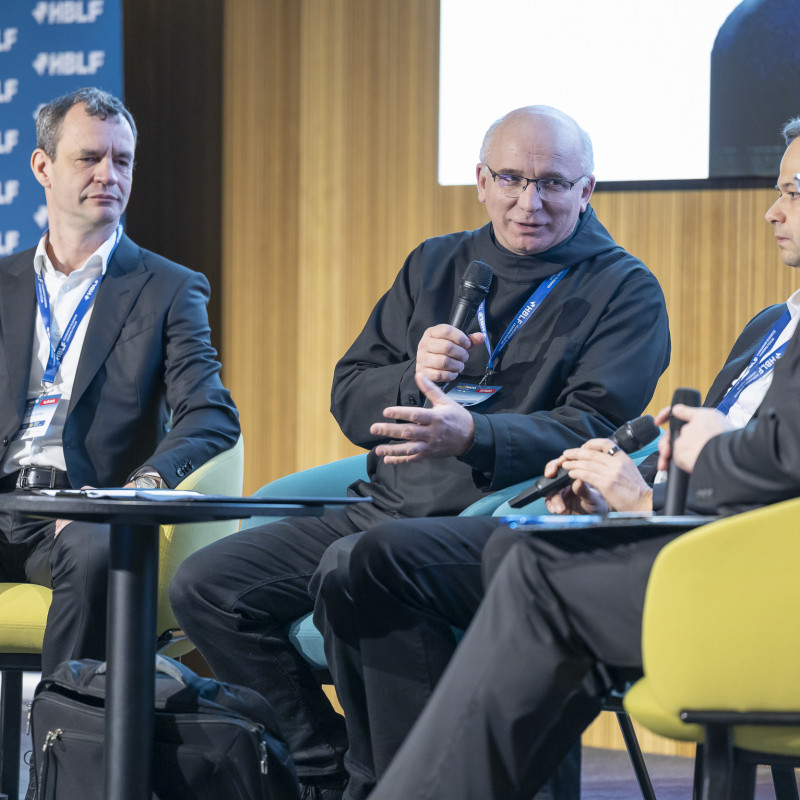
1. Generations and work–life balance
-
Employing a mix of age groups:
One of the keys to organizational success is recognizing the unique strengths of each generation and ensuring that management supports and facilitates cross-generational knowledge sharing and collaboration.
With attention, special programs, and mentoring, the knowledge of colleagues preparing for retirement can be preserved and saved for the organization.
It is a recruitment advantage if an organization is able to successfully integrate multiple age groups. -
Employment and work-life balance:
Good working conditions, opportunities for development (maintaining motivation to learn and grow), and maintaining physical and mental health are key to a sustainable organization. Among employee expectations, work-life balance, flexible work arrangements, and organizational responses to life challenges are of paramount importance.

2. Physical and mental abilities and differences
Employment of people with physical or mental disabilities:
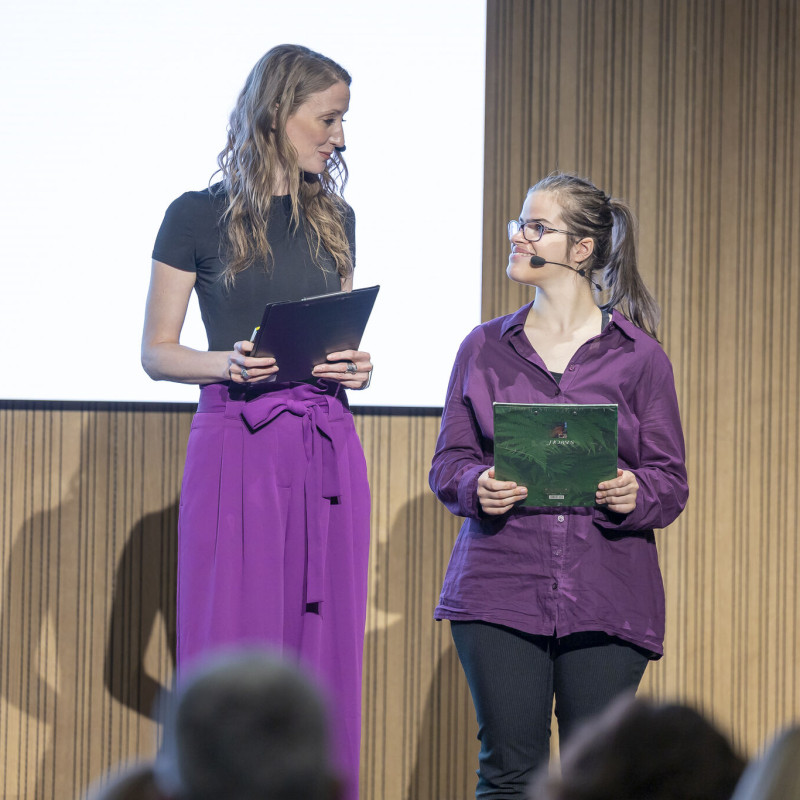
To this day, it is often assumed that people with disabilities are less productive in various work processes, but with proper preparation and knowledge of their advantageous qualities, these colleagues can be a great resource for the organization.
When employing people with disabilities, priority is given to accessibility, preparing colleagues - creating an inclusive environment - and selecting appropriate tasks that are tailored to the person's reduced abilities and strengths. Most organizations that employ people with disabilities appoint a representative to coordinate the skills of individual employees, workplaces, and working conditions.
3. Interculturality and ethnic identity
Today, most organizations recognize that they can only benefit from employing people of different nationalities and cultural backgrounds; language skills and cultural knowledge are key factors in globalization and entering new markets.
The company can gain new customer relationships and international professionals. The company's market value increases, making it attractive to investors.
Social diversity requires support from organizations. The exchange of experiences between employees can be facilitated very effectively by establishing international or intercultural networks. Networks can provide useful advice to organizations and also have a motivating effect.
The basic prerequisite for good cooperation is the development of an open organizational culture in which understanding differences and similarities is the main goal. To this end, training courses and programs are organized to help people better understand and accept each other's cultures.
4. Gender differences
The gender dimension plays an important role in diversity. Gender differences have a lasting impact on organizations. The goal is to eliminate and break down stereotypes. This applies to both gender and gender identity. The disadvantage of single-sex workplaces is that they hinder development and growth.
In an optimal corporate culture, men and women are equally motivated to contribute to the appropriate development and formation of the organizational culture. The result of employing mixed teams is a productive working environment. It is important to address wage differences, reduce the wage gap, and monitor these issues honestly.
By creating interest groups or voluntary workplace groups (such as parents, part-time employees, and women) can assert themselves much better.
5. Religion and worldview
Respect for religion or worldview is very important, as it makes employees feel safe and motivated. More and more organisations are recognising this and placing greater emphasis on this dimension. Companies employ people of many different religions and worldviews. Companies strive to treat religious affiliation with respect, so they organise religious programmes where those interested can learn about customs. Some office buildings have ecumenical prayer room or quiet room available.